

One-Day International cricket is known for explosive batting, disciplined bowling, and dramatic finishes, but the format has also produced some remarkably rare ways for a batter to lose their wicket. While bowled, caught, LBW, run out, and stumped dismissals are familiar to fans, certain incidents have occurred only a handful of times. These moments often involve unusual interpretations of the Laws of Cricket, making them particularly memorable.
The Most Unusual Dismissals in ODI cricket include incidents involving handling the ball and obstructing the field. Before the Laws of Cricket were revised in 2017, handling the ball existed as a separate dismissal category. It was subsequently incorporated into obstructing the field. The historical incidents, however, remain part of ODI records and continue to attract attention whenever rare dismissals are discussed.
10. Xavier Marshall

Xavier Marshall became part of the Most Unusual Dismissals in ODI records during the United States’ match against the United Arab Emirates in Sharjah on 8 December 2019. Marshall had made 34 runs and appeared settled before an unusual run-out situation developed. His actions were judged to have obstructed the fielding side, resulting in his dismissal under the relevant law. The incident demonstrated how an unexpected action while attempting to avoid a run-out can have significant consequences.
| Player | Dismissal | Runs | Team |
|---|---|---|---|
| Xavier Marshall | Obstructing the Field | 34 | USA |
9. Christopher Chibhabha
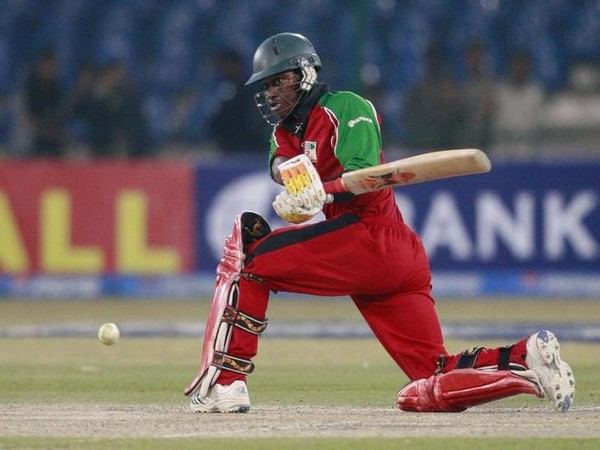
Christopher Chibhabha features among the Most Unusual Dismissals in ODI after an incident against Afghanistan in Bulawayo on 20 October 2015. The Zimbabwe batter had scored 18 runs before deliberately handling the ball without permission from the fielding side. Under the Laws of Cricket applicable at the time, he was dismissed for handling the ball. The later changes to the laws incorporated this type of dismissal under obstructing the field.
| Player | Dismissal | Runs | Team |
|---|---|---|---|
| Christopher Chibhabha | Handled the Ball | 18 | Zimbabwe |
8. Ben Stokes

Ben Stokes became another notable name in the Most Unusual Dismissals in ODI after his dismissal against Australia at Lord’s on 5 September 2015. Stokes had scored 10 runs when an attempt to avoid a run-out led to an obstruction-of-the-field decision. The incident generated considerable discussion because such dismissals are exceptionally uncommon in international cricket.
| Player | Dismissal | Runs | Team |
|---|---|---|---|
| Ben Stokes | Obstructing the Field | 10 | England |
7. Anwar Ali
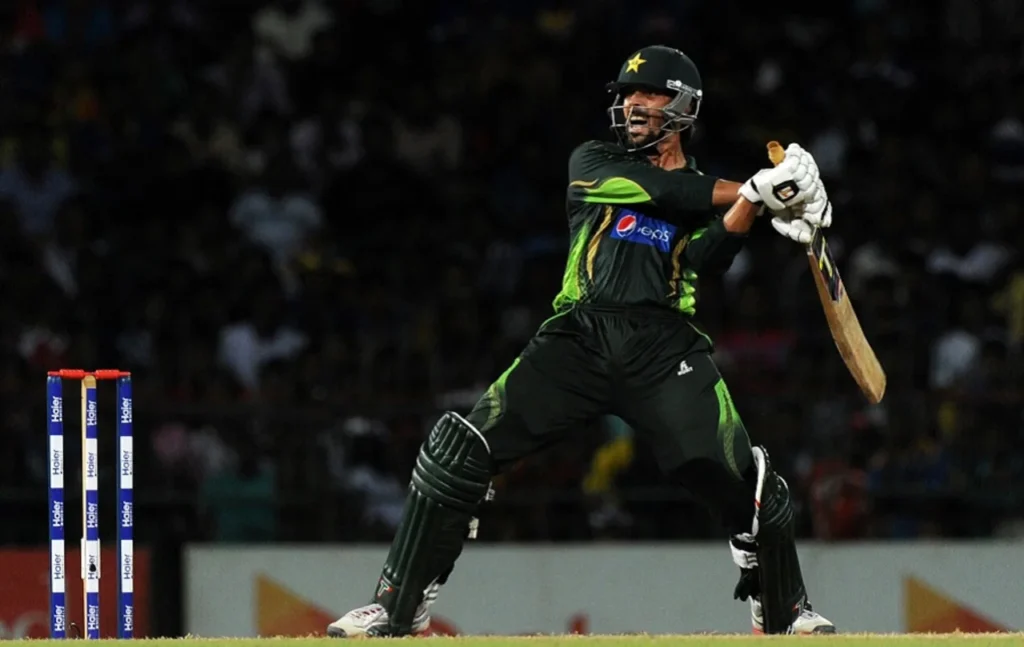
Pakistan all-rounder Anwar Ali is included in the Most Unusual Dismissals in ODI following an incident against South Africa in Gqeberha on 27 November 2013. He had scored seven runs when he became involved in an unusual run-out situation. The umpires determined that his actions obstructed the fielding side, resulting in his dismissal. The rarity of the law being applied made the wicket particularly memorable.
| Player | Dismissal | Runs | Team |
|---|---|---|---|
| Anwar Ali | Obstructing the Field | 7 | Pakistan |
6. Mohammad Hafeez
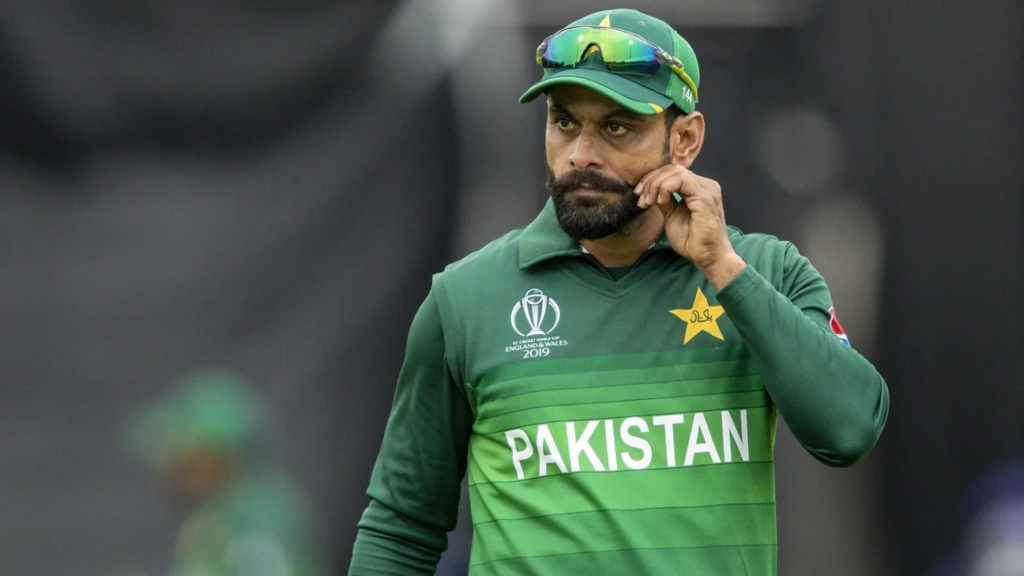
Mohammad Hafeez produced another unusual moment in ODI cricket during Pakistan’s match against South Africa in Durban on 21 March 2013. Hafeez was dismissed without scoring after an incident during an attempted run. His actions were judged to have interfered with the fielding side’s efforts to complete a run-out, leading to an obstructing-the-field dismissal. Such an unusual way to lose a wicket ensured that the incident remained memorable despite the duck on the scoreboard.
| Player | Dismissal | Runs | Team |
|---|---|---|---|
| Mohammad Hafeez | Obstructing the Field | 0 | Pakistan |
5. Inzamam-ul-Haq
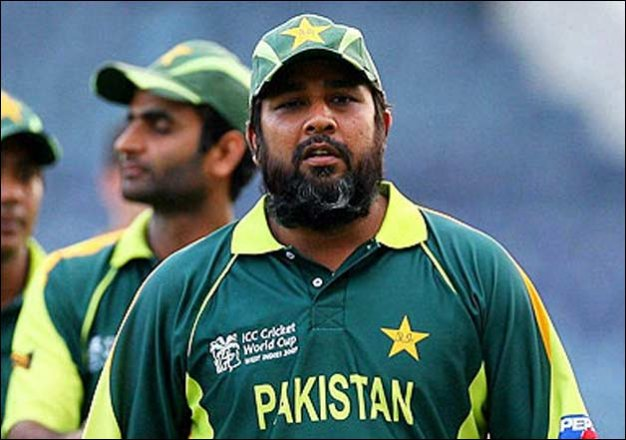
Inzamam-ul-Haq occupies another notable place among the Most Unusual Dismissals in ODI following his dismissal against India in Peshawar on 6 February 2006. The former Pakistan captain had reached 16 runs before an unusual sequence during a run-out attempt resulted in an obstruction-of-the-field decision. Because dismissals of this nature are so uncommon, the incident became one of the more memorable moments associated with Inzamam’s international career.
| Player | Dismissal | Runs | Team |
|---|---|---|---|
| Inzamam-ul-Haq | Obstructing the Field | 16 | Pakistan |
4. Daryl Cullinan
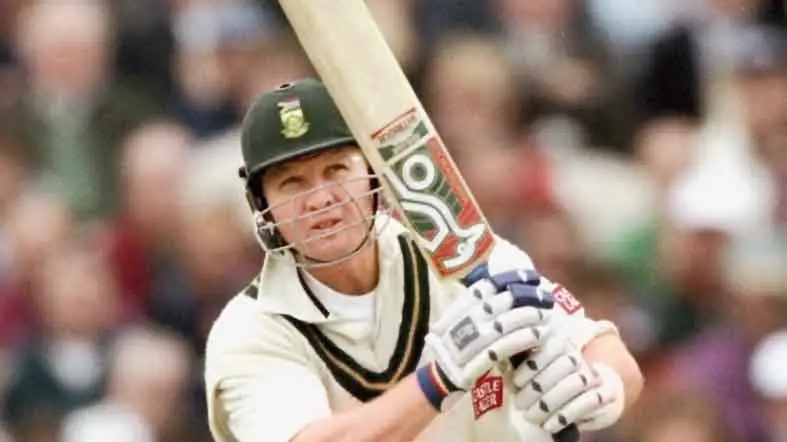
Daryl Cullinan is remembered among the Most Unusual Dismissals in ODI after a rare incident against the West Indies in Durban on 27 January 1999. Cullinan had scored 46 runs before deliberately handling the ball, which was prohibited under the Laws in force at that time. The umpires therefore dismissed him for handling the ball. Although the law has since been incorporated into obstructing the field, the historical dismissal remains recorded under its original classification.
| Player | Dismissal | Runs | Team |
|---|---|---|---|
| Daryl Cullinan | Handled the Ball | 46 | South Africa |
3. Mohinder Amarnath
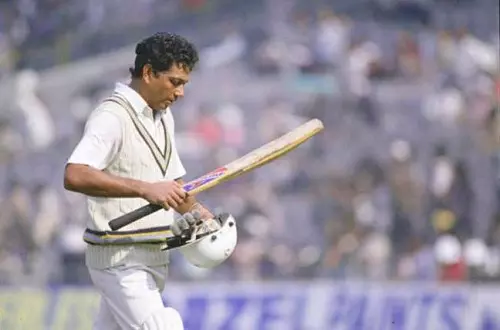
Mohinder Amarnath appears twice in the Most Unusual Dismissals in ODI list, with this particular incident occurring against Sri Lanka in Ahmedabad on 22 October 1989. Amarnath had made 28 runs when he was ruled out for obstructing the field while attempting to complete a run. His appearance in the list is particularly notable because he was also involved in another rare dismissal earlier in his career.
| Player | Dismissal | Runs | Team |
|---|---|---|---|
| Mohinder Amarnath | Obstructing the Field | 28 | India |
2. Ramiz Raja

Ramiz Raja’s dismissal against England in Karachi on 20 November 1987 remains one of the most memorable entries in the Most Unusual Dismissals in ODI. The former Pakistan opener was on 99, just one run short of a century, when an unusual run-out situation developed. He was ruled to have obstructed the field, ending his innings at 99. Losing a potential century through such a rare dismissal made the incident particularly distinctive in ODI history.
| Player | Dismissal | Runs | Team |
|---|---|---|---|
| Ramiz Raja | Obstructing the Field | 99 | Pakistan |
1. Mohinder Amarnath
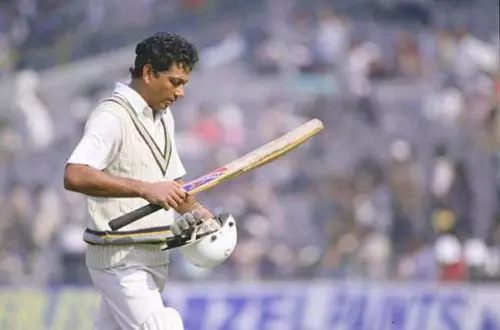
Mohinder Amarnath’s earlier incident occupies a prominent place in the Most Unusual Dismissals in ODI because he became the first player dismissed for handling the ball in ODI cricket. The incident occurred during India’s match against Australia at the Melbourne Cricket Ground on 9 February 1986. Amarnath had scored 15 runs before the unusual dismissal brought his innings to an end. His later appearance for obstructing the field makes his record particularly distinctive.
| Player | Dismissal | Runs | Team |
|---|---|---|---|
| Mohinder Amarnath | Handled the Ball | 15 | India |
FAQs
What are the Most Unusual Dismissals in ODI cricket?
The Most Unusual Dismissals in ODI include rare methods such as handling the ball and obstructing the field. These methods occur far less frequently than catches, bowled dismissals, LBWs, stumpings, and conventional run-outs.
Is handling the ball still a separate dismissal?
No. Handling the ball was previously a separate dismissal category. Following the 2017 changes to the Laws of Cricket, it became part of obstructing the field.
Are unusual dismissals common in ODI cricket?
No. They are exceptionally rare compared with conventional dismissal methods. That rarity is precisely why these incidents remain prominent in discussions about unusual ODI records.
Can a batter be dismissed for obstructing the field accidentally?
Yes. The circumstances and applicable Laws of Cricket determine whether an action constitutes obstructing the field. Historical ODI examples include incidents where players were ruled to have interfered with the fielding side during a run-out attempt.